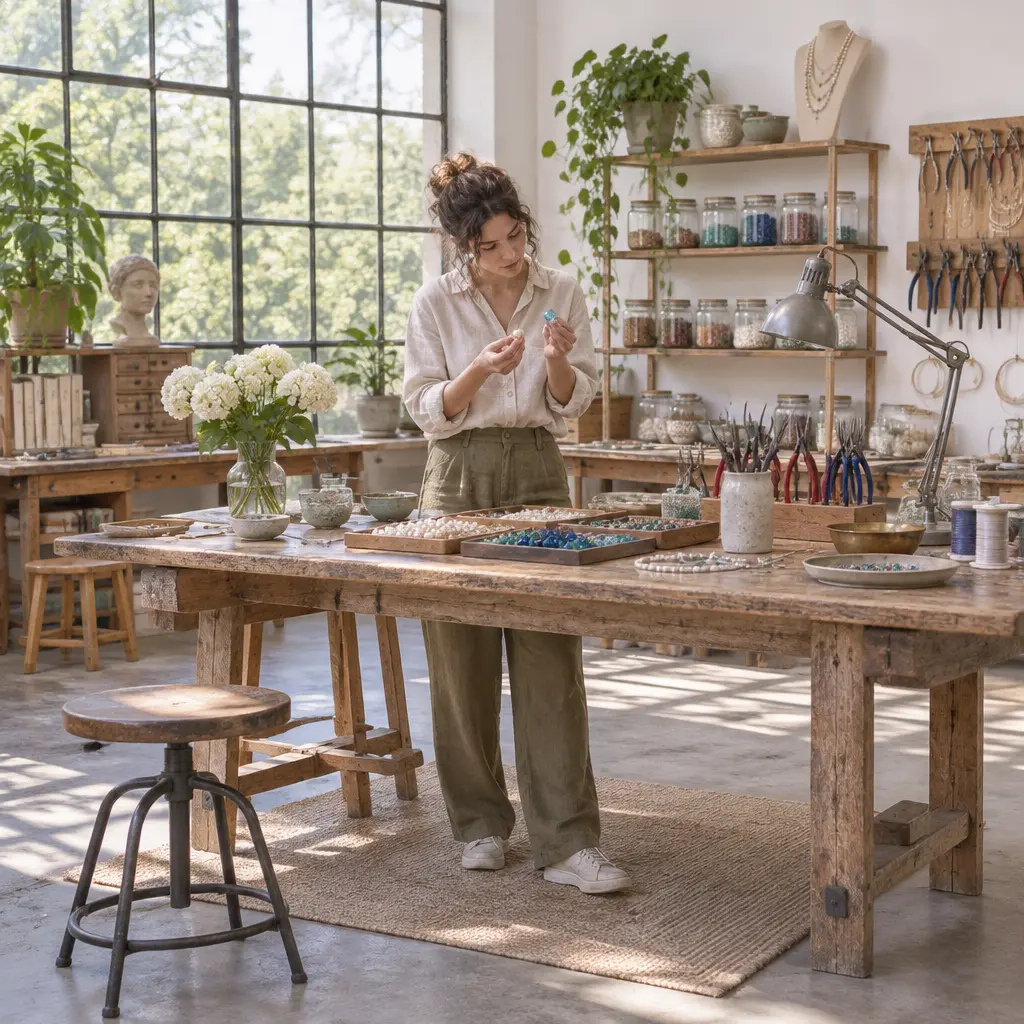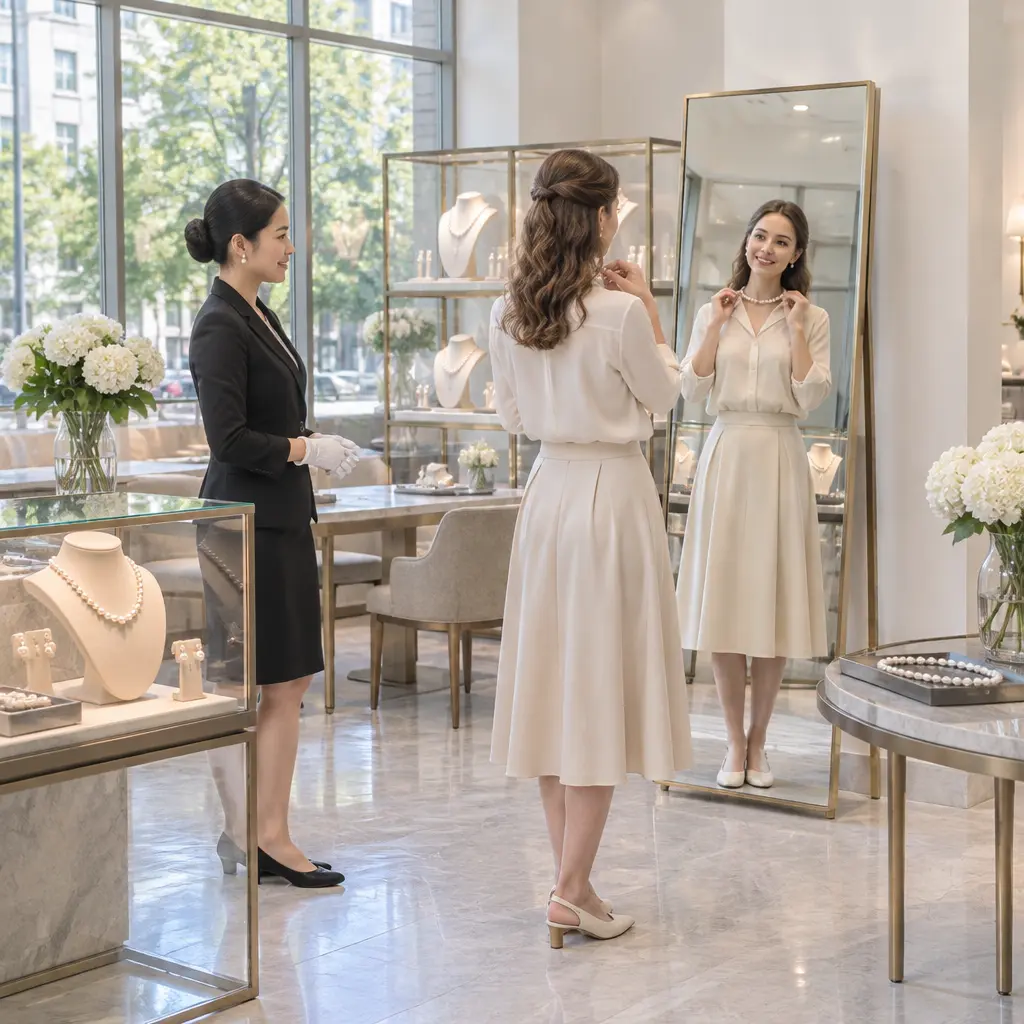
Pearl jewelry is jewelry made with natural or cultured pearls, prized for their luster, color, and organic shapes. For brides, it can add a meaningful, versatile finishing touch—but the best choice depends on the wedding look, pearl type, fit, care needs, and budget. The Gemological Institute of America (GIA) evaluates pearls by factors including size, shape, color, luster, surface quality, nacre, and matching, giving brides a practical framework for comparing options. These seven considerations can help you choose pearls that suit your style and wear well beyond the wedding day.
1. Pearl type shapes the look and price of bridal jewelry
A cultured pearl forms when people introduce a nucleus or mantle tissue into a mollusk to encourage pearl growth; a natural pearl forms without human intervention. GIA notes that most pearls sold today are cultured. For a bride, the distinction matters because pearl origin and type influence appearance, availability, and cost.
Freshwater pearls offer variety
Freshwater pearls are cultivated in freshwater mussels and are available in many shapes, sizes, and colors. Their range makes them a flexible option for classic studs, delicate pendants, or more playful designs. A matched pair of round freshwater pearls can create a traditional look, while baroque shapes lend a more relaxed, individual feel.
Akoya and South Sea pearls create distinct effects
Akoya pearls are typically associated with round shapes and bright, refined luster, making them a natural fit for understated bridal jewelry. South Sea pearls can grow larger and are known for white, silver, or golden hues. Because pearl value depends on several quality factors—not size alone—compare the full appearance and ask the jeweler to identify the pearl type in writing.
2. Luster and matching matter more than a simple size label
Luster describes how sharply and brightly a pearl reflects light from its surface. GIA treats luster as one of the primary considerations in pearl quality, alongside surface condition, shape, color, size, nacre, and matching. Under wedding lighting and in photographs, a lively reflection can make pearls look especially radiant.
Check pearls in more than one kind of light
Examine jewelry in daylight and indoor lighting if possible. Look for clear reflections and a surface that appears bright rather than dull or chalky. Pearls are organic and may have small surface characteristics; the key is whether those marks are noticeable when the piece is worn and whether they affect durability or your enjoyment of it.
Ask how a pair or strand was matched
Matching means the pearls in a piece look harmonious in color, luster, size, and shape. It is particularly important for earrings and necklaces, where differences can be easy to spot. Perfect uniformity is not essential: a graduated strand intentionally changes pearl size, while a baroque design may celebrate variation.
3. Pearl color should complement the dress and the wearer
Pearl color includes a body color and, in some cases, an overtone that appears as a subtle surface hue. White, cream, silver, pink, and golden shades are among the options brides may encounter. The most flattering choice depends on the dress color, skin tone, makeup, and the overall palette—not on a rule that pearls must be pure white.
Coordinate color with fabric and metal
Try pearls beside the actual dress fabric, since ivory, champagne, and bright white can make the same pearl appear different. Also consider whether the setting is yellow gold, white gold, platinum, or another metal. A warm cream pearl may sit naturally with champagne fabric and yellow gold, while a cool white or silver-toned pearl can complement a crisp white gown.
Test the complete look before the wedding
Take a photo in lighting similar to the ceremony or reception, and check that the jewelry does not compete with embroidery, lace, or a detailed neckline. If you plan to wear a veil, try it with the earrings and necklace together to avoid tangling or visual crowding.
4. The right jewelry scale depends on the dress and neckline
Bridal pearl jewelry includes earrings, necklaces, bracelets, hair accessories, and combinations of these pieces. Choosing a silhouette that works with the gown is often more useful than following a trend. The necklace should complement the neckline, while earrings should balance the hairstyle and any headpiece.
Choose earrings for the hairstyle
Studs and small drops offer a restrained option for a high neckline or elaborate veil. Longer drops can add movement with an updo or a simpler dress. Try sitting, turning your head, and putting on the veil during a fitting to check that earrings do not catch on hair, fabric, or accessories.
Let the neckline guide necklace length
A short strand can suit a strapless or open neckline, while a pendant may work better with a V-neck. A high neckline may call for earrings or a bracelet instead of a necklace. These are starting points, not fixed rules: the goal is to keep the jewelry’s lines and visual weight in balance with the gown.
5. Comfort and secure construction are essential on the wedding day
Pearl jewelry should feel secure and comfortable through hours of photographs, greetings, dining, and dancing. The Gemological Institute of America advises consumers to handle pearls with care because pearls are softer and more vulnerable to damage than many common gemstones. Fit and construction deserve attention alongside appearance.
Check clasps, posts, and settings
Open and close the necklace clasp several times, and confirm that earring backs fit securely. Inspect the setting for sharp edges that could snag lace or hair. If a necklace is knotted between pearls, ask whether the knots are secure and whether the strand has been restrung recently, especially if it is vintage or inherited.
Wear-test the pieces before the ceremony
Try the jewelry during a dress fitting or at home for a few hours. Notice pressure from earring backs, a necklace that shifts, or a bracelet that catches on sleeves. Arrange any adjustments well before the wedding rather than relying on last-minute fixes.
6. Pearl care starts with avoiding chemicals and abrasion
Pearls are sensitive to substances commonly used while getting ready. GIA recommends putting pearls on after cosmetics, perfume, and hairspray, and wiping them with a soft cloth after wear. This simple routine helps remove residues that can dull the surface over time.
Use a gentle routine after wearing
Wipe pearls gently with a clean, soft cloth. If a deeper clean is needed, follow the jeweler’s instructions or consult a qualified professional; avoid harsh cleaners, ultrasonic cleaners, and abrasive polishing. Do not soak a pearl strand unless a professional has confirmed that its construction and materials can tolerate it.
Store pearls separately and thoughtfully
Keep pearls away from harder jewelry that could scratch them, ideally in a soft pouch or a lined compartment. Avoid leaving them in very dry or hot conditions for long periods. For valuable or heirloom pieces, ask a jeweler about periodic inspection and strand restringing.
7. A clear budget and documented details make buying easier
Pearl prices vary widely because type, size, shape, luster, surface quality, color, nacre, matching, and jewelry construction all contribute to value. There is no single price that defines a “bridal” pearl. Set a budget first, then decide which qualities matter most for the piece you plan to wear.
Ask the jeweler specific questions
Before purchasing, ask whether the pearls are natural or cultured, what type they are, whether they have been treated, and what metal is used in the setting. Request written details, a return or exchange policy, and care guidance. For a significant purchase, an independent gemological assessment can help verify the description.
Consider how you will wear the piece afterward
A classic pair of pearl studs or a simple pendant may be easier to wear again than a highly formal set. Brides can also borrow or reset family pearls, which may add personal meaning while reducing the need to buy new jewelry. If using an heirloom, have its clasp, stringing, and settings checked before the wedding.
Conclusion: Choose pearls for beauty, fit, and lasting wear
The strongest bridal pearl choice balances pearl type and quality with color, gown styling, comfort, care, and budget. Compare luster and matching in person, test the full look with your dress, and confirm that clasps and settings are secure. With thoughtful selection and gentle care, pearl jewelry can become more than a wedding-day accessory—it can remain a wearable keepsake. Visit a trusted jeweler, ask for clear product details, and try your chosen pieces before the celebration.
Sources: Gemological Institute of America (GIA), Pearl Quality Factors, https://www.gia.edu/pearl-quality-factor; Gemological Institute of America (GIA), Pearl Care and Cleaning Guide, https://www.gia.edu/pearl-care-cleaning; Gemological Institute of America (GIA), Pearl Buying Guide, https://www.gia.edu/pearl-buying-guide; Gemological Institute of America (GIA), What Are Cultured Pearls?, https://www.gia.edu/pearl-description