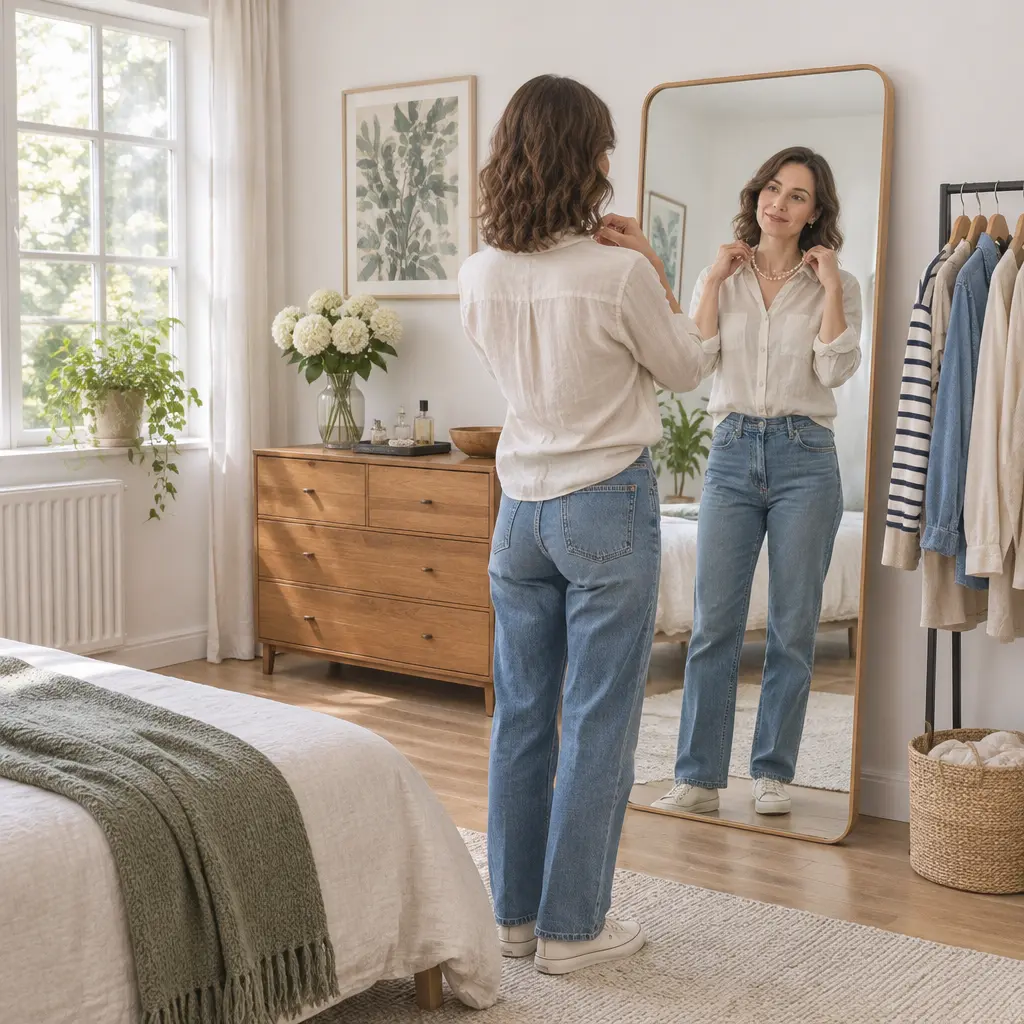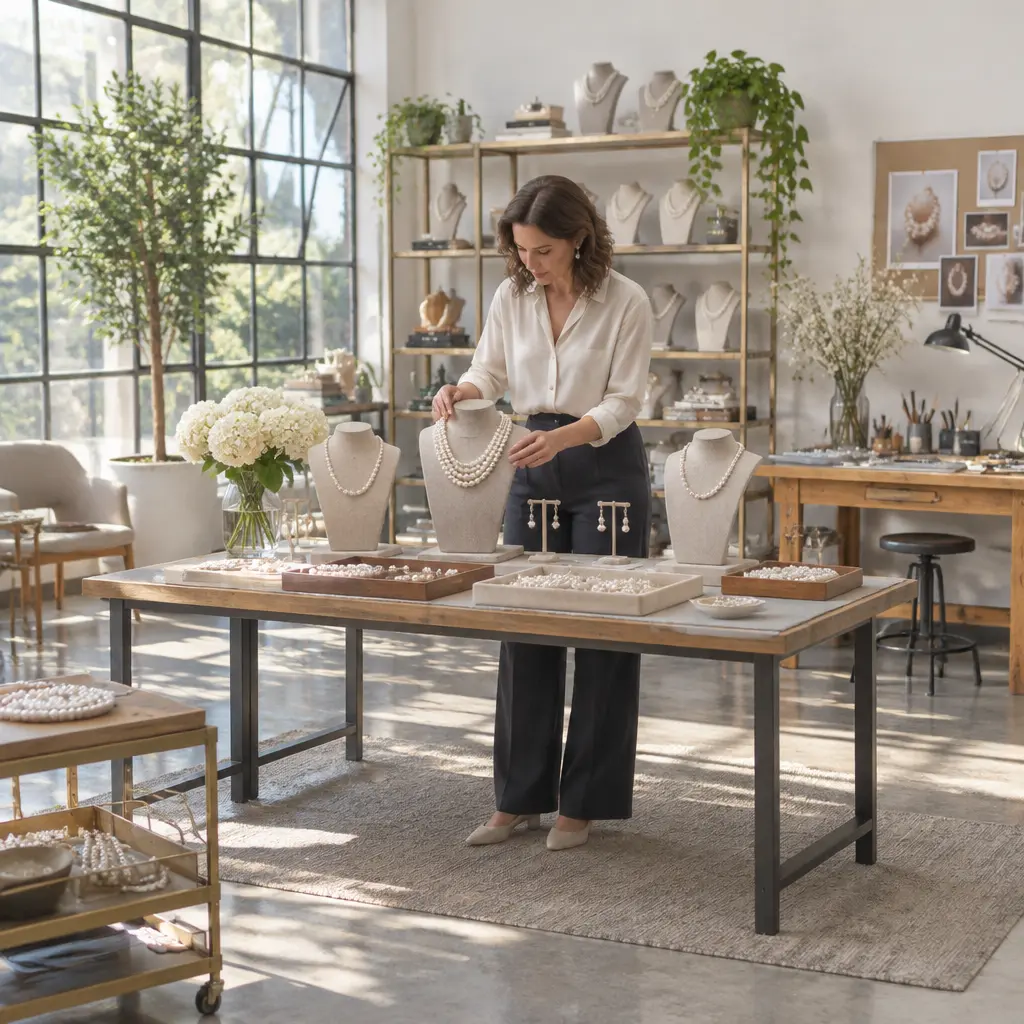
A quality pearl is a cultured or natural pearl whose value reflects its surface, luster, shape, size, color, and how well those qualities work together. To avoid overpaying, inspect pearls under neutral light, compare matched strands as a whole, ask whether they are natural or cultured, and get the treatment and origin details in writing. The Gemological Institute of America (GIA) uses seven value factors—size, shape, color, luster, surface quality, nacre quality, and matching—to assess cultured pearls; there is no single grading system universally used across the trade, so a seller’s grade alone is not a guarantee of quality.
Assess Pearl Quality Through Its Value Factors
A pearl’s “quality” is its combination of visible appearance and structural characteristics, rather than a single score. GIA’s seven value factors give shoppers a practical framework for comparing pearls: luster, surface, shape, size, color, nacre quality, and matching. Their relative importance depends on the pearl type and the buyer’s preferences. A round pearl is not automatically better than a baroque one, and a large pearl is not automatically more valuable if its surface is dull or heavily blemished.
Luster: Look for sharp, bright reflections
Luster is the brightness and definition of reflections on a pearl’s surface. GIA describes it as one of the most important quality factors: a high-luster pearl shows bright, crisp reflections, while a low-luster pearl appears milky, chalky, or blurred. Hold the pearl beneath a soft light and check whether nearby shapes appear clearly in its reflection. Compare several pearls side by side; a dramatic size difference can distract from weak luster.
Surface quality: Distinguish natural features from damage
Surface quality refers to the number, size, location, and visibility of blemishes such as spots, pits, bumps, and wrinkles. A pearl need not be perfectly smooth to be attractive or valuable, but prominent marks on the face of a pearl are generally more noticeable than small features near a drill hole. Rotate the pearl in good light and inspect it from several angles. Ask whether visible marks are natural surface characteristics or damage from wear, handling, or drilling.
Shape and matching: Judge the pearl or the strand as a whole
Pearl shapes include round, near-round, oval, button, drop, and baroque. Round pearls are often prized in classic strands, but distinctive baroque shapes can be desirable in contemporary jewelry. For earrings or necklaces, matching means how consistently the pearls work together in color, luster, size, shape, and surface appearance. A well-matched strand can command more than a group of individually attractive pearls that look uneven when worn.
These appearance factors are useful for an initial comparison, but they do not establish what kind of pearl you are buying. The next step is to identify its type and understand how that affects expectations for size, color, shape, and price.
Identify Pearl Type Before Comparing Prices
Pearls are broadly classified as natural or cultured. Natural pearls form without human intervention after a mollusk produces nacre around an irritant. Cultured pearls form after a person deliberately introduces a nucleus or tissue into a mollusk, which then produces nacre. Both are genuine pearls; “cultured” does not mean imitation. GIA explains that natural pearls are rare, while most pearls sold in the jewelry market are cultured, so a claim of “natural” should be supported by reliable documentation.
Freshwater pearls: Evaluate variety and consistency
Freshwater pearls are cultured in freshwater mussels and come in a wide range of sizes, colors, and shapes. Many are non-nucleated, meaning they form primarily from implanted tissue rather than around a bead nucleus; production methods and pearl characteristics vary. Because freshwater pearls are widely available, compare their luster, surface, shape, and matching rather than assuming that a large strand or a particular color automatically signals premium quality.
Akoya, South Sea, and Tahitian pearls: Compare within the same category
Akoya pearls are commonly associated with round, highly lustrous white or cream pearls, while South Sea pearls are often larger and occur in white, silver, or golden tones. Tahitian pearls are cultured in black-lipped oysters and are known for dark body colors and overtones. These categories differ in typical size, appearance, production, and market pricing. Compare like with like: a Tahitian pearl should not be judged against an Akoya pearl using color expectations that belong to a different type.
Natural, cultured, and imitation: Ask for precise disclosure
Imitation pearls are manufactured objects made from materials such as glass or plastic and coated to resemble pearls. They are not natural or cultured pearls. Ask the seller to state plainly whether the item is natural, cultured, or imitation, and whether it has been treated. For a high-value pearl represented as natural, request a report from a recognized gemological laboratory; appearance alone cannot reliably establish natural origin.
Check Nacre, Treatments, and Pearl Construction
Nacre is the layered material a mollusk deposits to form a pearl’s body and surface. For bead-nucleated cultured pearls, nacre quality and thickness affect durability and appearance. GIA notes that thin nacre can contribute to a dull or “blinky” appearance, in which the bead nucleus may be visible beneath the surface. Buyers should not assume that a pearl’s bright color or smooth finish proves thick nacre; ask about construction and look for relevant documentation, especially for a costly purchase.
Treatments: Find out what changed the appearance
Pearls may be bleached, dyed, irradiated, or otherwise treated to alter or even out their color or appearance. Treatment is not automatically a reason to reject a pearl, but it can affect value and should be disclosed. Ask whether color is natural or treated, whether the treatment is stable, and whether the care instructions differ. If the color looks unusually uniform or vivid, treat that as a reason to ask questions—not as proof of treatment.
Drill holes and coatings: Inspect the details
Examine drill holes for chipped edges, peeling, or a visible bead layer. These can indicate wear, construction issues, or a coating rather than a pearl’s natural surface. On a necklace, inspect the areas around knots and clasps, where abrasion may be concentrated. Avoid scraping, biting, or using household chemicals to test a pearl: such methods can damage jewelry and do not replace professional identification.
Compare Pearl Value and Avoid Overpaying
Pearl prices depend on the pearl type, quality, size, matching, treatments, craftsmanship, and seller. There is no universal price list or grading scale that makes two sellers’ labels directly comparable. A grade such as “AAA” may be defined differently from one retailer to another. Instead, compare the actual pearls, the written description, and the terms of sale.
Use a side-by-side comparison, not a label alone
Compare items of the same pearl type and similar size under consistent lighting. Check luster first, then surface, shape, color, and matching. For a strand, view it at normal wearing distance as well as close up. A seller’s photograph can conceal blemishes or shift color, so examine the item in person when possible or request clear, unfiltered images and a written return policy.
Ask the seller specific questions
- Are the pearls natural, cultured, or imitation, and what type are they?
- Have they been dyed, bleached, irradiated, or otherwise treated?
- For a bead-nucleated pearl, what information is available about nacre quality or thickness?
- Are the pearls individually graded, and what criteria does the seller use?
- Does the price include a gemological report, appraisal, warranty, or return period?
Consider reports for costly purchases
For a high-priced pearl or a purchase involving a claim of natural origin, an independent report can help verify identity and disclose treatments. A grading document or sales certificate is only as useful as its issuer, methods, and stated scope. Check that the report corresponds to the exact pearl or piece of jewelry and understand whether it identifies origin, evaluates quality, or simply describes the item. These are different services.
A practical example is comparing two necklaces advertised as “AAA.” If one has sharper reflections, fewer conspicuous blemishes, and better matching, it may be the stronger choice even if the other has a larger average pearl. The grade label cannot settle the comparison unless both sellers define and apply the same criteria.
Care for Pearls After Purchase
Pearls are organic gems and can be harmed by chemicals, heat, and abrasion. GIA recommends protecting them from cosmetics, perfume, hairspray, and household cleaners, and wiping them gently with a soft cloth after wearing. Store pearls separately from harder gemstones and metal jewelry to reduce scratching. For necklaces, periodic restringing may be appropriate depending on how often they are worn and the condition of the thread and knots.
Conclusion: Buy the Pearl, Not Just the Grade
To spot a quality pearl, assess luster, surface, shape, size, color, nacre, and matching; identify whether it is natural, cultured, or imitation; and ask about treatments and construction. Compare similar pearl types under consistent lighting, question vague grading labels, and seek independent documentation when the price or origin claim warrants it. A careful inspection and clear disclosure help you choose pearls that suit your budget and expectations. Before buying, review the seller’s return terms and keep the written description and any report with your receipt.
Sources: Gemological Institute of America, “Pearl Quality Factors,” https://www.gia.edu/pearl-quality-factor; Gemological Institute of America, “Pearl Description,” https://www.gia.edu/pearl-description; Gemological Institute of America, “Pearl Care and Cleaning Guide,” https://www.gia.edu/pearl-care-cleaning