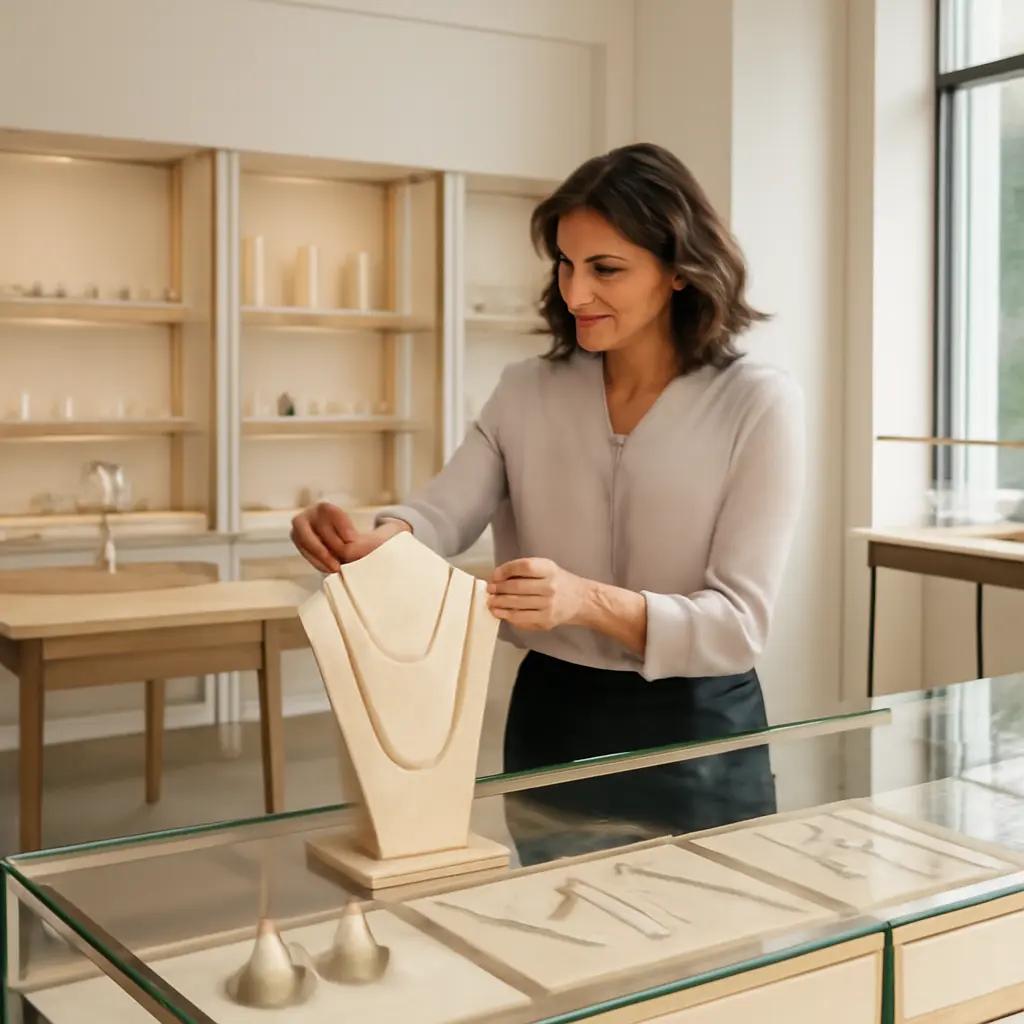
Pearl layering is the deliberate combination of multiple pearl strands or pearl designs to create a polished, dimensional look. Luxury houses make it feel considered rather than cluttered by balancing scale, length, luster, and restraint: a short choker can anchor a longer strand, while mixed pearl shapes or a single contrasting chain add texture. The effect draws on pearls’ long history as luxury adornment and on practical styling principles—proportion, neckline, and controlled contrast—that help layered jewelry look intentional for both day and evening.
How luxury brands build polish through pearl layering
Pearl layering means wearing two or more pearl necklaces or jewelry pieces together as a coordinated composition. It is not simply stacking everything available: each piece needs a role, such as framing the collarbone, creating a vertical line, or introducing a focal point. Luxury styling typically depends on three controls—spacing, variation, and a unifying detail—so the pearls remain the focus without competing with one another.
The practice has historical roots in the pearl’s status as a precious material, but contemporary luxury styling is more flexible than the traditional single-strand necklace. Designers and stylists combine classic round pearls with baroque forms, vary strand lengths, and mix pearls with fine metal chains. The Gemological Institute of America (GIA) evaluates pearls by factors including size, shape, color, luster, surface quality, nacre quality, and matching; these same visible differences can guide a layered look, even though styling is not a formal grading system.
Length and spacing create the foundation
A layered set works best when its pieces occupy distinct visual zones. A choker or short strand establishes the upper line, a princess-length necklace sits near the collarbone, and a longer strand draws the eye downward. The exact fit varies with the wearer and neckline, so the goal is not a fixed measurement but enough separation for each necklace to remain visible rather than collapsing into one crowded band.
For a refined result, begin with two lengths that differ clearly, then add another only if the silhouette still feels balanced. A short strand paired with a long rope can create a strong vertical contrast; two necklaces of nearly equal length may tangle or visually merge. A blouse or dress with a high neckline often supports longer strands, while an open neckline gives shorter pieces room to frame the skin.
Pearl scale and shape control visual weight
Pearl size and shape determine how much attention a strand commands. Small, uniform pearls tend to read as delicate and formal; larger pearls create a bolder focal point. Baroque pearls, which have irregular forms, add sculptural texture. Pairing one statement strand with finer pearls is a reliable way to keep the look expressive without making every necklace compete for attention.
GIA’s pearl education materials distinguish natural pearls, formed without human intervention, from cultured pearls, whose formation is initiated through human intervention. Both can be used in luxury jewelry, and appearance alone does not establish origin or value. In styling, mix shapes deliberately: a smooth round strand can steady the irregularity of a baroque necklace, while repeating one pearl color across both pieces makes the contrast feel designed.
How luxury brands balance contrast and coordination
Once length and scale are set, contrast gives a layered arrangement its character. Luxury jewelry styling often contrasts polished and organic surfaces, fine and substantial chains, or traditional pearls and contemporary metal. The key is to preserve a visual link—shared color, repeated metal, or a common design detail—so variation reads as intentional rather than accidental.
Mixing pearl colors and materials
Pearls can range from white and cream to pink, gray, and darker hues, depending on pearl type and other factors. Combining shades works most smoothly when one color dominates and another appears as an accent. For example, a white strand can anchor a gray pearl pendant, or warm cream pearls can be paired with gold-toned metal for a cohesive palette. High contrast can be striking, but repeating one material or color helps connect the pieces.
Mixing pearls with chains is a common way to make a traditional strand feel current. A delicate gold or silver chain introduces a different texture without displacing the pearls as the main feature. Keep the chain’s visual weight proportionate: a fine chain suits small pearls, while a sturdier link can balance a larger or irregular strand. For a polished finish, repeat the same metal tone in earrings, a clasp, or another small accessory.
Using a focal point without overcrowding
A focal point is the element that attracts the eye first, such as a large pendant, a baroque pearl, or a substantial short strand. The rest of the layers should support that feature. If the centerpiece is bold, use simpler necklaces around it; if the strands are understated, a pendant can provide definition. This hierarchy is what makes a layered arrangement look composed rather than busy.
A practical test is to put on the intended outfit and check the jewelry from a short distance. If the strands merge, separate their lengths; if several pieces draw equal attention, remove one or simplify the strongest element. This is especially useful with patterned clothing, embellished collars, or statement earrings, where the outfit already supplies visual detail.
How pearl layering adapts to outfits and occasions
Pearl layering shifts in character according to clothing, setting, and scale. A restrained pair of strands can add polish to workwear, while mixed shapes and longer lengths feel more expressive for evening. The same jewelry can also move between contexts by changing the supporting pieces: keep clothing simple for a statement stack, or choose a minimal layer when the outfit is already detailed.
Daywear and business dressing
For daytime, two fine strands or one classic strand paired with a delicate chain usually provide enough dimension. The combination works with a crew neck, open-collar shirt, or simple knit because it adds texture without overwhelming the outfit. If a jacket or blouse has a strong collar, shorter and lighter layers are less likely to snag or compete with the garment.
A polished business look benefits from consistency: choose a restrained color palette, keep the largest pearl modest in scale, and coordinate the metal with other accessories. These are styling recommendations rather than rules; the right balance depends on personal taste and workplace expectations.
Evening and occasion dressing
Eveningwear can support more pronounced contrasts: a long pearl strand over a clean dress, a sculptural baroque necklace beside a short classic row, or multiple lengths that echo a plunging neckline. Let the neckline determine where the layers sit. With a high neckline, longer strands can supply movement; with a low or open neckline, a short strand can frame the collarbone while a second necklace adds a vertical line.
For formal occasions, luster and matching become especially visible under direct light. GIA identifies luster—the quality and intensity of light reflected from a pearl’s surface—as a central factor in evaluating pearl appearance. A luminous, closely matched strand can therefore serve as the quiet anchor for a more varied stack, while irregular pearls bring a deliberately less formal note.
How to wear and care for layered pearls
A successful layered look also depends on wearability. Multiple necklaces are more prone to twisting and friction than a single strand, so clasps, chain weight, and movement matter. Before wearing, check that each piece lies comfortably and that pendants or irregular pearls do not repeatedly strike one another.
Prevent tangling and protect the strands
Use necklaces with clearly different lengths and, where possible, different chain weights or textures to reduce overlap. Layering clasps can help keep several necklaces separated, though they are not necessary for every combination. Remove the jewelry if it catches on clothing, and avoid forcing a tangled strand apart, which can stress the silk or other stringing material.
Care for pearls after wearing
Pearls require gentler care than many durable gemstones. The GIA advises wiping pearls with a soft cloth after wear and avoiding contact with chemicals such as perfume, cosmetics, and household cleaners. Put pearls on after applying fragrance and skin products, and store them separately from harder jewelry to reduce scratching. Follow the care instructions supplied by the jeweler, particularly for antique pieces or strands that may need professional restringing.
Conclusion: a considered approach to luxury pearl layering
Luxury pearl layering is a study in proportion: distinct lengths establish structure, varied sizes and shapes add interest, and a shared color or metal detail keeps the composition cohesive. Occasion, neckline, and focal-point control determine whether the result feels understated or dramatic. Understanding pearl qualities such as luster, shape, and matching helps explain why some combinations feel especially harmonious, while careful wear and storage protect the jewelry itself.
To try the look, begin with two necklaces you already own, choose clearly different lengths, and add a third piece only if it strengthens the overall balance. For further guidance, consult gemological resources on pearl identification and care, and ask a qualified jeweler about the condition and maintenance of valuable strands.
Sources: Gemological Institute of America, Pearl Quality Factors, https://www.gia.edu/pearl-quality-factor; Gemological Institute of America, Natural and Cultured Pearls, https://www.gia.edu/pearl; Gemological Institute of America, Pearl Care and Cleaning Guide, https://www.gia.edu/pearl-care-cleaning