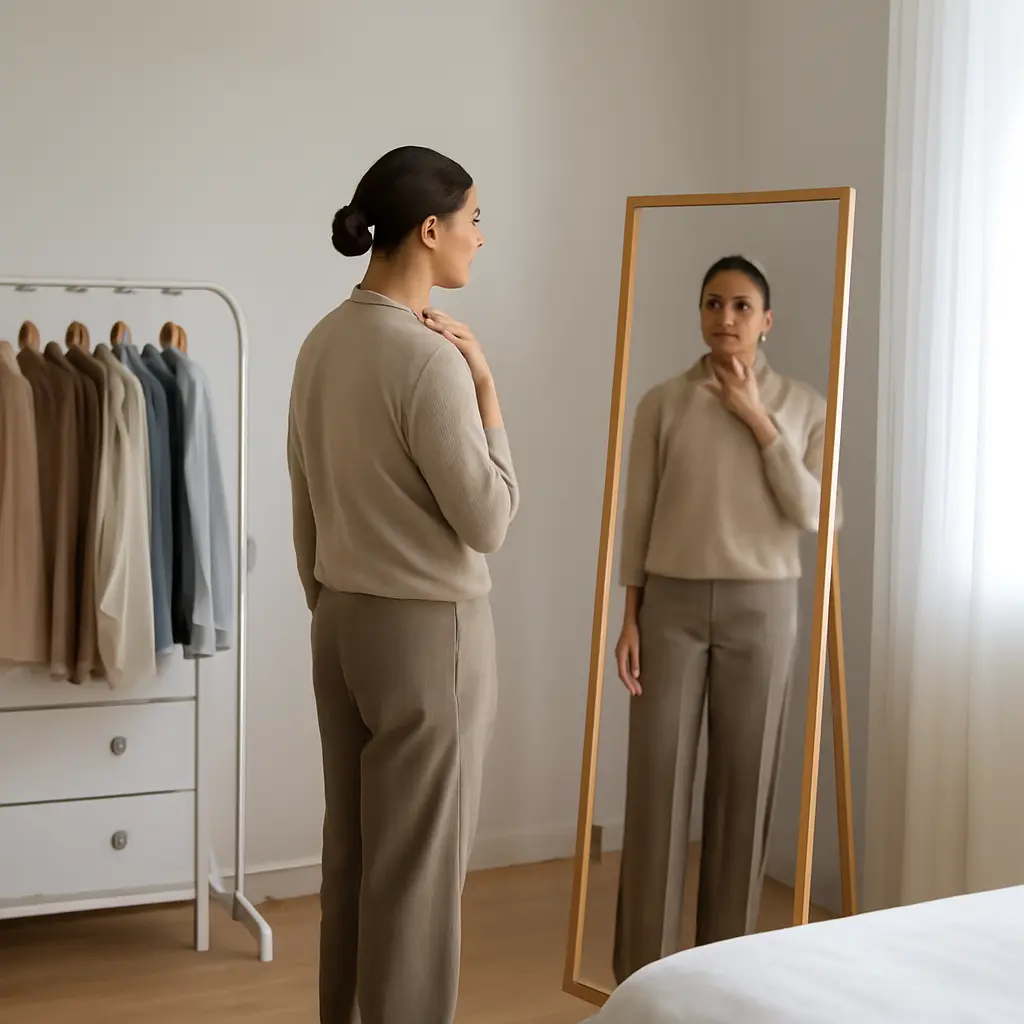
Soft pearl accessories are jewelry and hair ornaments finished with pearls—natural, cultured, or imitation—that add a luminous focal point to otherwise simple clothing. With a beige outfit, their pale sheen creates contrast without disrupting a calm neutral palette: pearl studs sharpen a knit-and-trouser combination, while a short strand or pearl-accented clip can make the same basics feel more considered. This styling effect is supported by color theory and by pearls’ long-standing role in dress, though there is no reliable universal statistic proving that pearls alone transform beige looks. The practical guide below explains how to choose pearl types and silhouettes, balance accessories with beige shades, and build outfits for everyday and dressier settings.
Soft Pearl Accessories: Definition and Styling Role
“Soft pearl accessories” is a descriptive styling phrase, not a formal category defined by a single fashion authority. Here, it means accessories featuring pearls with a gentle, light-reflecting finish and a refined visual presence. The category includes pearl earrings, necklaces, bracelets, brooches, hair clips, and bags or shoes decorated with pearl details. Their appeal comes from combining a visible highlight with a restrained shape—an especially useful quality alongside beige, where tone-on-tone dressing can otherwise appear visually flat.
Pearls have a long history as personal adornment, and cultured pearls made them more widely available than rare natural pearls. The Gemological Institute of America explains that cultured pearls form when people initiate pearl growth in a mollusk, while the mollusk itself produces the nacre. This distinction matters when shopping: “pearl” can describe natural, cultured, or imitation materials, and the price, durability, and appearance vary accordingly. For outfit planning, the styling principle is simpler: choose a pearl scale and finish that complements the garment rather than competing with it.
Pearl Types: Cultured, Natural, and Imitation
Natural pearls form without deliberate human insertion; cultured pearls grow after human intervention in a mollusk; imitation pearls are manufactured to resemble pearl surfaces. The Federal Trade Commission’s Jewelry Guides emphasize clear and accurate descriptions of jewelry materials, making it sensible to check product listings for terms such as “cultured pearl,” “shell pearl,” or “imitation pearl” rather than relying on a vague label. For a basic beige wardrobe, any of these may work aesthetically: choose cultured pearls for a genuine nacre surface, or well-made imitation styles for a lower-cost trend piece.
The Soft Finish: Luster, Shape, and Scale
Pearl luster describes the quality and sharpness of light reflected from a pearl’s surface; shape and size also affect its overall impression. A small, round pearl stud reads as understated, while baroque shapes or larger drops feel more expressive. The Gemological Institute of America identifies luster, surface quality, shape, size, and color among the factors used to describe and evaluate pearls. In styling terms, a matte beige sweater often benefits from a clear, bright pearl highlight, whereas a silky beige blouse can carry a more sculptural pearl without feeling overloaded.
Soft Pearl Accessories Pair with Beige Through Contrast and Harmony
Pearls complement beige because they introduce light and texture while staying within a neutral color family. Beige ranges from cool, gray-leaning taupe to warm sand and camel, so the best pearl choice depends on the outfit’s undertone. White or silvery pearls tend to create crisp contrast against warm beige; cream and ivory pearls blend more softly with warmer neutrals. This is a practical color-coordination rule rather than a guarantee that every pearl shade will suit every complexion or garment.
The broader appeal of accessories is consistent with the scale of the fashion market, but market figures should not be mistaken for proof of a specific styling trend. The U.S. Bureau of Economic Analysis tracks personal consumption expenditures across categories including clothing and footwear, illustrating that apparel is part of ongoing household spending. No comparable official dataset isolates “pearl accessories with beige outfits,” so recommendations are best grounded in material knowledge, proportion, and visual balance rather than unsupported trend percentages.
Match Pearls to Beige Undertones
Beige undertone is the subtle warm, cool, or neutral cast visible beneath the main color. Pair warm camel, oatmeal, and sand with cream pearls, gold settings, or peach-toned pearls for a cohesive effect. Pair gray-beige, stone, and cool taupe with white pearls, silver settings, or softly gray pearls for cleaner contrast. If an outfit mixes beige shades, use one accessory metal consistently or repeat the pearl color in another small detail, such as a button or hair clip.
Use Scale to Keep the Look Balanced
Scale is the visual size of an accessory relative to the wearer and the garment. Fine pearl studs and a delicate chain suit a simple T-shirt, cardigan, or tailored beige blazer; a substantial collar necklace or oversized earrings make a stronger statement and work best when the neckline and other accessories are uncomplicated. A useful outfit test is to choose one focal point—ears, neck, wrist, or hair—and let the remaining details stay quieter. This prevents several pearl pieces from competing with one another.
Soft Pearl Accessories Suit Everyday and Occasion Dressing
Once undertone and scale are established, pearl accessories can be adapted to different settings. The same beige base can move from casual to polished through changes in shape, finish, and layering: discreet studs keep a daytime outfit relaxed, while drop earrings or a brooch provide a more formal focal point. The most versatile choices are comfortable, securely fastened, and easy to repeat with several garments.
Everyday Combinations
For daily wear, combine a beige knit or T-shirt with pearl studs, a small pendant, or a narrow bracelet. A pearl barrette can add a highlight to a low ponytail without introducing another strong color. For example, beige trousers, a white top, and a camel cardigan can be finished with small cream pearls and simple gold-toned hardware. Keep the pieces light enough for comfort and avoid placing delicate pearls where a bag strap, scarf, or coat is likely to rub against them.
Work and Occasion Styling
For work, a single strand, small hoops with pearl drops, or a discreet brooch can add definition to a beige suit or dress while maintaining a professional impression. For an evening event, choose a larger drop earring or a more sculptural necklace and simplify other jewelry. Pearls also work with contrasting textures: a lustrous surface against wool, linen, or matte crepe creates visual interest without requiring a bright color accent.
Layering Without Clutter
Layering means wearing multiple accessories together in a deliberate arrangement. To layer pearls with beige successfully, vary length or texture rather than stacking several similarly sized pieces. One short pearl necklace can sit above a longer fine chain, while a single pearl bracelet can balance the combination. If the garment has a prominent collar, ruffles, or a detailed neckline, move the pearl emphasis to earrings or hair accessories instead.
Care and Buying Choices Preserve Pearl Accessories
Pearls are more delicate than many common jewelry materials, so care affects how long their soft sheen lasts. The Gemological Institute of America notes that pearls are relatively soft compared with many gemstones and can be vulnerable to scratches, chemicals, and heat. Put pearl jewelry on after cosmetics and fragrance, wipe it gently with a soft cloth after wearing, and store it separately from harder jewelry to reduce abrasion. Follow the maker’s care instructions, especially for imitation or coated pieces, whose finishes may respond differently to moisture and cleaning products.
Choose Materials and Fastenings for Real Wear
A practical purchase balances appearance, construction, and intended use. Check that earring posts and clasps feel secure, that necklace knots or links are sound, and that glued embellishments are firmly attached. If buying genuine pearls, read the seller’s description carefully and ask whether the pearls are natural or cultured and what type they are. For frequently worn pieces, comfort and repairability may matter more than size or brand name.
Conclusion: A Small Pearl Detail Can Refresh Beige Basics
Soft pearl accessories bring light, texture, and a polished focal point to basic beige looks. Understanding pearl types and luster helps with informed choices; matching pearl tone to beige undertones supports color harmony; and adjusting scale and layering keeps the result balanced for everyday, work, or occasion dressing. Because no robust statistic measures the specific effect of pearls on beige outfits, the most reliable guide is fit, proportion, and personal preference. Try one pearl accent with a beige outfit you already own, then adjust its size and finish until it feels natural. For further reading, consult gemological guidance on pearl identification and care before investing in fine pieces.
Sources: Gemological Institute of America, Pearl Quality Factors, https://www.gia.edu/pearl-quality-factor; Gemological Institute of America, Pearl Care and Cleaning Guide, https://www.gia.edu/pearl-care-cleaning; Federal Trade Commission, Guides for the Jewelry, Precious Metals, and Pewter Industries, https://www.ftc.gov/legal-library/browse/rules/guides-jewelry-precious-metals-pewter-industries; U.S. Bureau of Economic Analysis, Personal Consumption Expenditures, https://www.bea.gov/data/consumer-spending/main